
Resources
Septic System Do's & Don'ts
Simple habits to keep your Orlando septic system healthy and avoid costly repairs.
How It Works
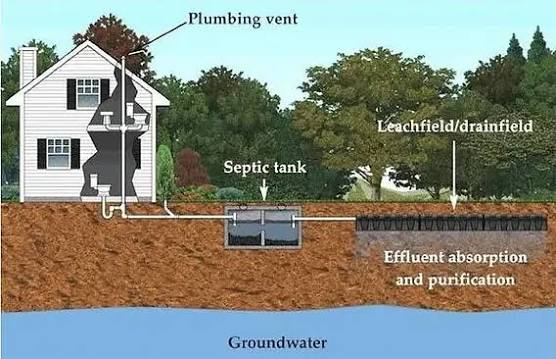
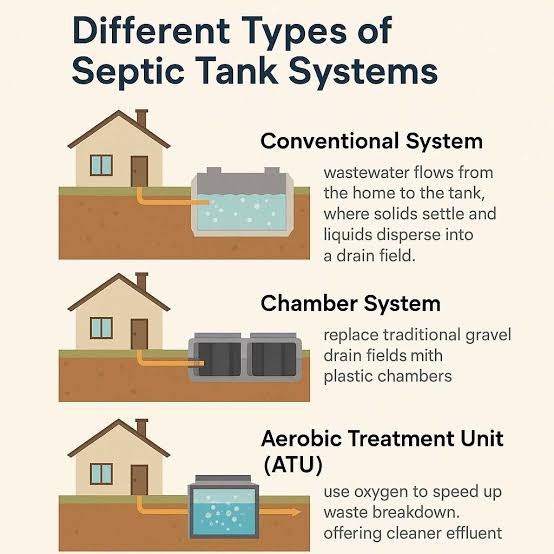
How your septic system works
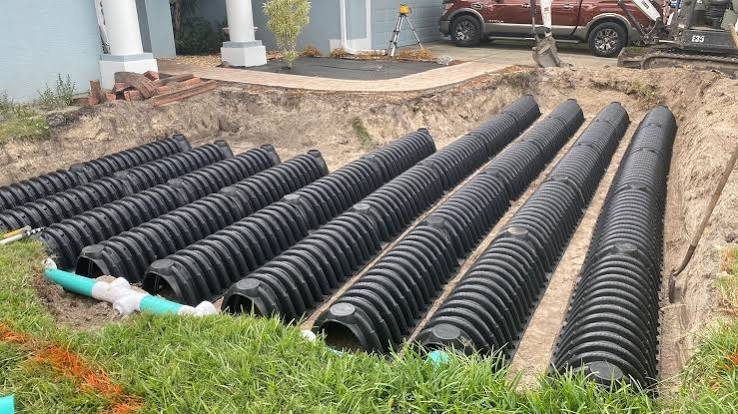
A quick visual of the journey your household water takes — from the tap to the drainfield. Understanding the flow makes the do's and don'ts below click.
DO
- Know the location and capacity of your tank.
- Have a licensed contractor pump and inspect your tank every 1–3 years.
- Pump regularly to prevent solids from building up and clogging the drainfield.
- Direct roof runoff and surface water away from the drainfield.
- Grow grass over your system (not trees or shrubs) to prevent erosion and absorb excess water.
- Install water-conservation fixtures to reduce the load on your system.
- Space out laundry loads across the week instead of many in one day.
- Keep faucets and toilets in good repair to prevent leaks and waste.
- Install a septic tank effluent filter to protect the drainfield.
DON'T
- Never flush paper towels, newspaper, rags, or sticks.
- Don't let leaking toilets or faucets go unrepaired.
- Limit the household cleaners and bleach you flush.
- Never flush industrial chemicals.
- Never flush pesticides or other toxic substances.
- Never plant trees or shrubs near the drainfield.
- Don't waste water — excess water strains the system.
- Never pour chemical solvents into lines or the tank.
- Don't do all your laundry in a single day.
- Never drive or park over the tank or drainfield.
- Never flush grease or heavy waste — can it and put it in the trash.
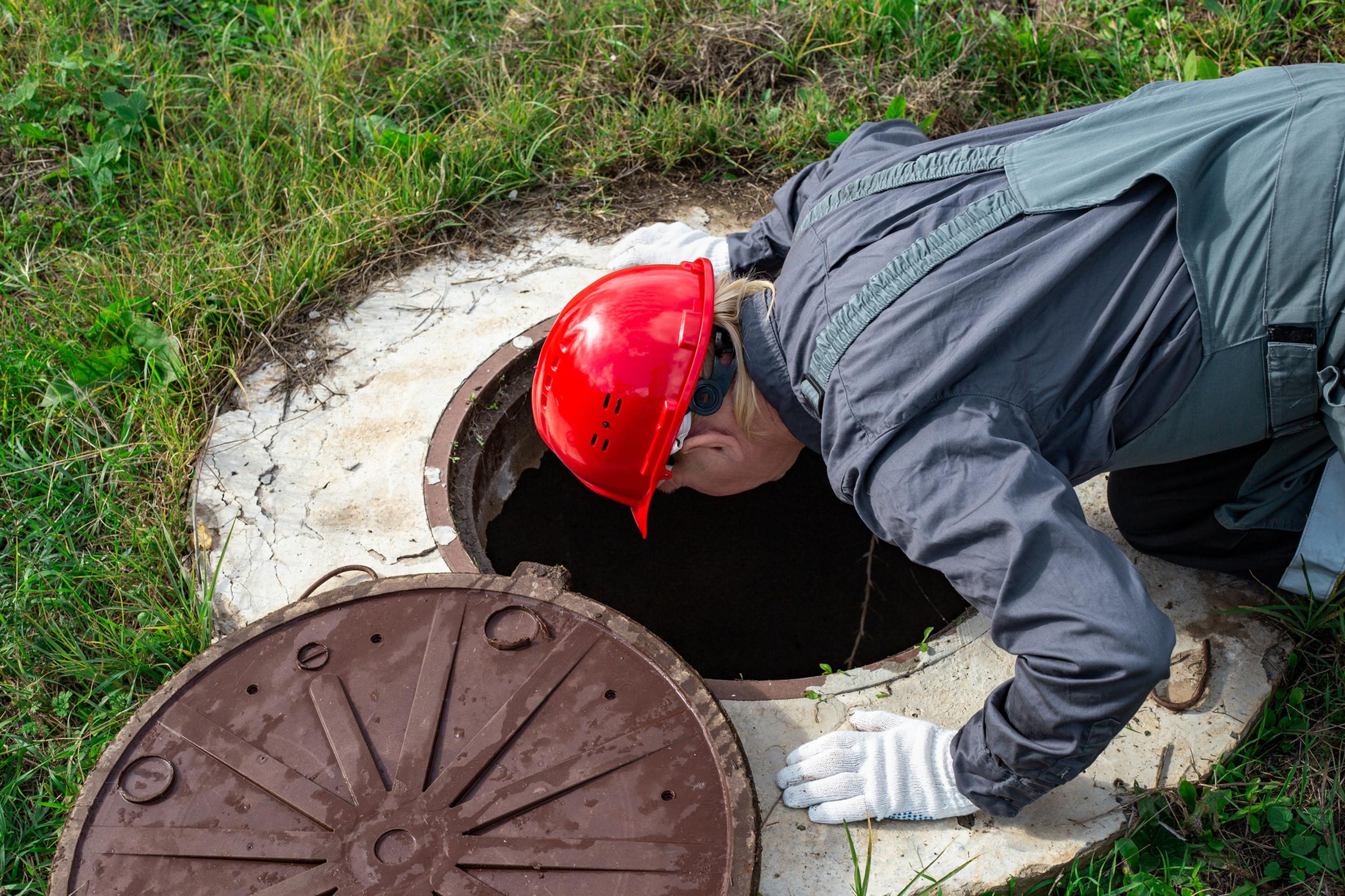
Questions about your system? We're happy to help.
Talk to a licensed Central Florida septic pro — inspections, pumping, repairs, and straight answers.